PortoBallast TRO Neutralisation vs Full Ballast Treatment
Updated
PortoBallast's manufacturer literature describes both a filtration/UV treatment route and a chemical dosing function for surplus oxidants. They solve different problems. Neutralisation can address excessive residual oxidants in an appropriate operating case; it does not automatically establish biological D-2 performance. A useful enquiry identifies the incoming water, treatment history, TRO evidence and intended outcome before the process and service scope are selected.
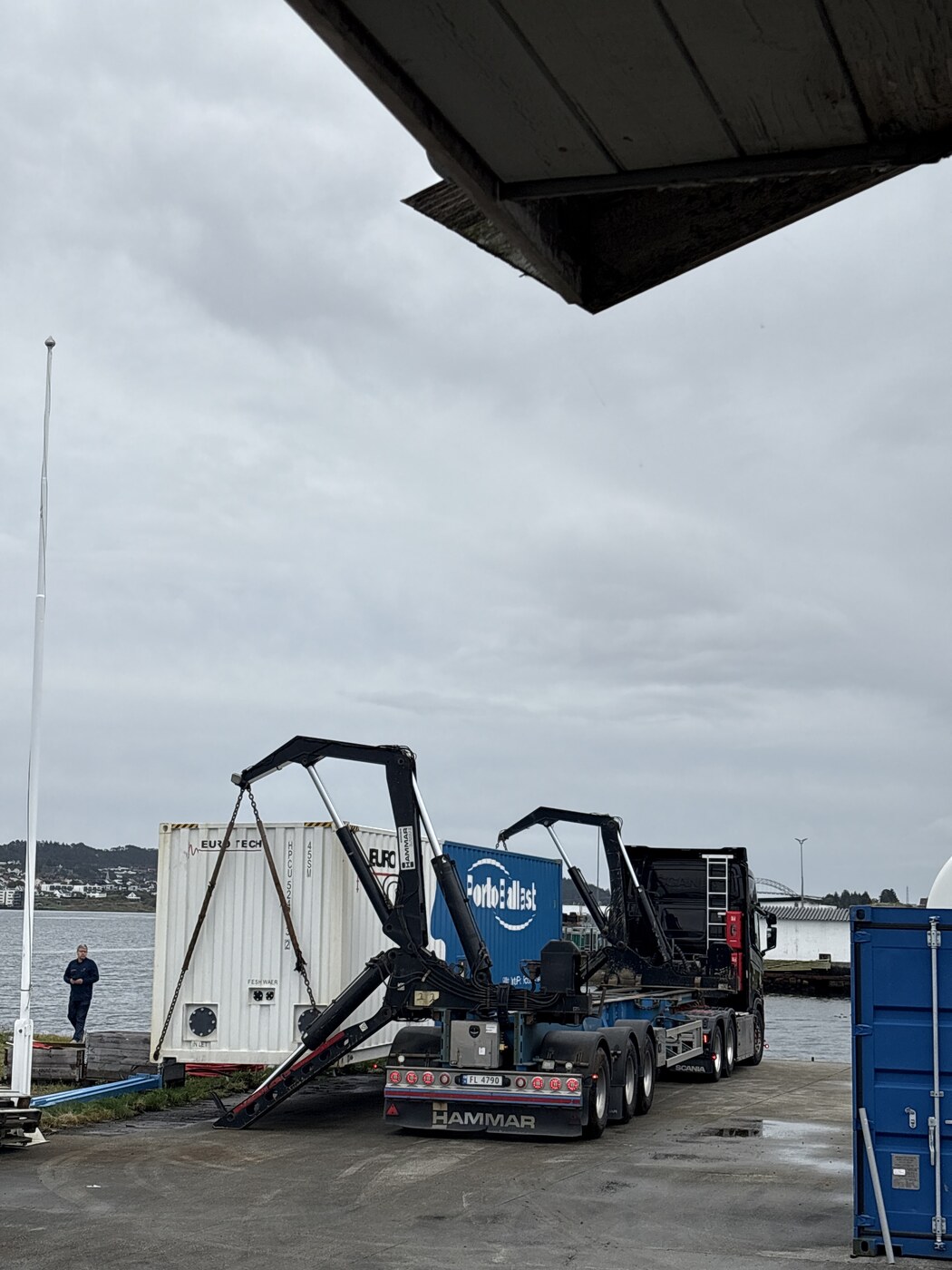
Sea Clean port-side treatment and PortoBallast hub
Key takeaways
- Full filtration/UV treatment and surplus-oxidant neutralisation are different functions.
- Sodium thiosulphate is the chemical named in the manufacturer's dosing table.
- The 216 L/h figure is dosing capacity, not ballast-water treatment throughput.
- Automatic instrument interlocking depends on the actual equipped configuration.
- Representative TRO evidence does not establish biological D-2 performance.
- The process, chemical method and acceptance conditions must match the actual water problem.
Why distinguish biological treatment from neutralisation?
An electrolytic onboard BWMS can use oxidants as part of its treatment process and may require controlled reduction of residual oxidants before discharge. If that control fails, a shore-side neutralisation arrangement may be considered. A different case is ballast water that needs reception and biological treatment through filtration and UV. Calling both cases simply 'BWTS trouble' hides the information needed to select a suitable route.
TRO reduction and organism control are different treatment objectives. A satisfactory chemical residual does not demonstrate viable-organism concentrations or indicator-microbe results. Equally, a discussion of biological treatment should not ignore excessive oxidants or another known contaminant in the incoming stream. The operator and required authorities need a description of the whole water-quality problem, not a single measurement used as a proxy for every acceptance criterion.
Related guidance: PortoBallast, IMO D-2 Testing and Port Acceptance
What does the PortoBallast dosing description say?
The August 2026 brochure describes a supporting chemical dosing system for excessive residual chlorine and other oxidants. It names sodium thiosulphate as the applicable chemical and describes a wheeled, skid-mounted arrangement with local manual and PLC automatic control. The dosing-flow figure is 216 L/h; that is a pump/system dosing specification, not the ballast-water treatment flow or a universal consumption requirement.
The brochure also describes dose control in relation to TRO, with instrument-dependent interlocking if an online TRO instrument is equipped. That conditional wording matters. Do not assume that every offered skid has the same sensor, control option or automatic safety function. Check the actual supplied configuration, method, instrument range, control logic and supervision before relying on an automatic-dosing description in a quotation or operating plan.
What incoming-water information is needed for a neutralisation enquiry?
Provide the vessel's BWMS maker/model, treatment process, reason for the request, relevant tank volume, uptake and treatment history where known, and existing TRO measurement evidence. State how and where measurements were taken, the instrument and method used, and any uncertainty about readings. A single unlabelled result, particularly from an unclear sampling location, may not represent the water stream that the proposed service must handle.
Disclose other concerns such as suspected oil contamination, unusual solids, uncertain biological treatment or an incomplete operating sequence. The PortoBallast treatment-unit brochure specifies a clean, oil-free ballast-water envelope; a general statement about oxidant neutralisation does not make other pollutants automatically acceptable. If the water history is incomplete, leave the uncertainty visible and obtain the necessary review rather than guessing a dose or discharge conclusion.
How should chemical handling and dosing be controlled?
Use the actual manufacturer operating method, chemical specification and safety information for the supplied arrangement. The quantity and preparation depend on the defined oxidant load, method, water flow and control assumptions. A general article should not substitute a guessed mixing recipe, concentration or pump setting for those documents. The dosing-pump headline capacity alone is insufficient to calculate a safe and effective project-specific operation.
Agree who supplies and handles the chemical, checks preparation, controls dosing, monitors the response and stops the operation if conditions are abnormal. Include containment, chemical storage, personal protection as specified by the risk assessment, and the destination of residual liquids. Do not describe a neutraliser as universally harmless regardless of concentration, handling or discharge context. The actual chemical and operating conditions determine the relevant safeguards.
What do portable TRO checks establish?
The manufacturer describes portable-meter testing of residual oxidants after dosing and refers to the need for the relevant port environmental approval before discharge. A portable result is evidence within the instrument method and sampling conditions. Its value depends on the correct instrument range, appropriate reagents, documented calibration or verification, representative sampling, timing and a recorded connection to the operating period being assessed.
A service report should identify the meter and method, sample point, readings, times, relevant dose and flow information, any repeat checks and the applicable acceptance criterion. It should not silently convert 'TRO checked' into 'all ballast-water requirements met'. Chemical evidence, biological evidence, equipment performance and authority acceptance remain separate parts of the operation. Sea Clean is not an accredited laboratory or approving authority.
Related guidance: PortoBallast Training Facility in Norway: Sea Clean's Plans
When is a full treatment review needed instead?
If an onboard failure affects biological treatment or the water's history is uncertain, the review may need to consider more than oxidant neutralisation. PortoBallast's published filtration/UV route is a separate function with its own water envelope, transfer conditions and monitoring requirements. The proposed treatment path must address the actual identified problem, and required sampling or testing must be planned for its purpose.
Email the vessel, installed BWMS, port, dates, affected volume, fault and available measurement records. Say whether the request concerns high TRO, full reception/treatment or an unresolved combination of concerns. Sea Clean can review the practical scope, available equipment and appropriate supporting parties. Neither a container arrival nor a successful neutralisation reading is a blanket guarantee of suitability, availability or discharge permission.
Frequently asked questions
Can PortoBallast be discussed for excessive TRO?
Yes. Euro Tech's brochure describes a chemical dosing function for surplus residual oxidants, including cases involving an electrolytic onboard BWMS. The offered equipment, water condition, method, controls and acceptance requirements need project-specific review.
Does sodium thiosulphate treatment prove D-2 compliance?
No. Neutralisation addresses residual oxidant chemistry under the defined method. Biological D-2 performance concerns different measurements and evidence; it must not be inferred solely from a low TRO result or a chemical-dosing report.
Can I calculate the neutraliser dose from the brochure's 216 L/h figure?
Not safely from that figure alone. It describes dosing-system flow capacity, not a universal consumption rate. The actual method, chemical preparation, oxidant load, water flow and control arrangement determine the appropriate operating settings.
Is the TRO neutralisation skid the same as the full treatment container?
They are distinct functions and have separate published specifications. Confirm what is supplied and which route is appropriate. An offer for one function should not be assumed to include or demonstrate the other.
Sources
- Euro Tech — PortoBallast brochure, August 2026 edition — Pages 2–4: process, tie-ins, technical envelope and dosing system; manufacturer data subject to change, not Sea Clean's as-built acceptance record.
- Euro Tech Holdings — mobile hybrid launch, 9 June 2026 — Issuer's announcement: Nasdaq CLWT, containerised terminal/barge deployment and trailer transport.
- Euro Tech Holdings — Sea Clean partnership announcement, 17 June 2026 — Names Sea Clean and the planned Norwegian coastal facility. Its dispatch forecast is not the actual receipt date.
- IMO — Ballast Water Management — Convention, management plans, discharge standards and the distinction between equipment approval and operational requirements.
Related articles
- PortoBallast, IMO D-2 Testing and Port Acceptance
- How PortoBallast Filtration, UV and Sludge Handling Work
- PortoBallast Specifications: Flow, Power and Footprint
- PortoBallast for a BWTS Breakdown: Contingency Planning
- What Is a Ballast Water Port Reception Facility?
- Port-Side Ballast Water Treatment for Vessels
Discuss PortoBallast directly by email
Training, rental/operated service and contingency enquiries are reviewed individually. Include objectives or the vessel, installed BWMS, port, dates, water volume and scope. Availability, readiness, suitability, permissions and quotation require confirmation. These links prepare email drafts; no website submission inbox is used.
Explore the PortoBallast series
- First container received: 7 October 2026
- What is PortoBallast, and who is Euro Tech?
- Specifications: flow, power and footprint
- Sea Clean's planned training facility
- Rental periods and service scope
- BWTS breakdown contingency planning
- Vessel-to-shore connection checklist
- IMO D-2, testing and port acceptance
- Filtration, UV and sludge management
- Deployment at ports and terminals
- Mobile treatment versus onboard BWMS