Mobile Ballast Treatment vs an Onboard BWMS: What Changes?
Updated
A mobile port treatment arrangement and a permanently installed onboard BWMS solve related but different operational problems. Onboard equipment travels with the vessel and has its own approved installation and operating requirements; a port facility needs a suitable reception route at the place and time of use. PortoBallast can be discussed for defined port-side needs, but its mobility does not make it a universal replacement for a vessel's compliance strategy.
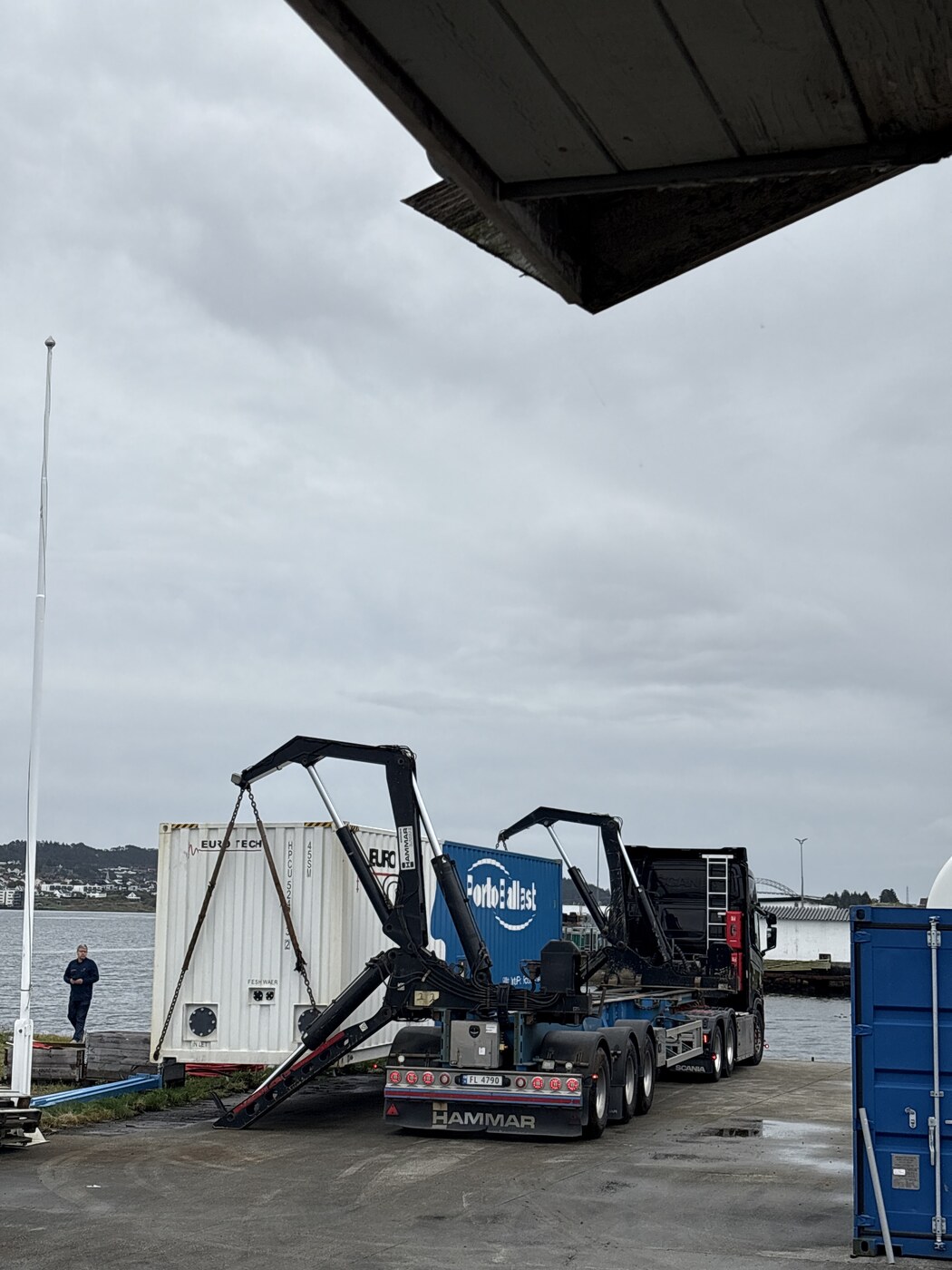
Sea Clean port-side treatment and PortoBallast hub
Key takeaways
- Onboard equipment travels with the vessel; external treatment needs a suitable reception location.
- Compare achieved interface flow, not only headline equipment capacity.
- Shore-side use adds operators, utilities, transport and residue responsibilities.
- Supplier claims and delivery milestones do not replace project acceptance.
- Evaluate total scope and availability without invented savings or rental rates.
- Repair, contingency, terminal infrastructure and long-term vessel strategy are different decisions.
What is the main operational difference?
An onboard BWMS is integrated with the vessel's ballast system and travels with it. Its approved arrangement, operating limits, maintenance and crew procedures form part of the vessel's ballast-water management approach. A mobile reception and treatment facility is external: the vessel must reach an agreed location and transfer through a controlled interface. Availability, berth access and the receiving route become part of the operating case.
This does not make one option inherently better in every situation. A shore-side arrangement can address a defined reception or contingency need, while permanent onboard equipment supports the vessel across its trade subject to its own limitations. The right comparison starts with the actual voyage, water condition, operation and obligations. A brochure description or a rental opportunity is not enough to replace an approved vessel arrangement by assumption.
How do capacity and operating time differ?
For an onboard system, compare the installed approved operating range with the vessel's ballast demand and the conditions of the actual operation. For an external facility, also compare vessel transfer capability, hose and berth interfaces, receiving-system limits and the time available alongside. The facility's published maximum rate is not automatically the rate that the combined ship-to-shore system will achieve.
PortoBallast's August 2026 brochure gives a 50–300 m³/h treatment range with adjusting UV power. It should be read within the stated water and equipment envelope and confirmed against the offered unit. Setup, checks, sampling, interruptions and disconnection are additional to treatment-flow time. Large-volume or tightly scheduled calls need a realistic operation model rather than dividing volume by the brochure's highest number and treating that as a guaranteed completion time.
Related guidance: PortoBallast Specifications: Flow, Power and Footprint
What responsibility shifts when treatment is shore-side?
Onboard operation usually places the crew and vessel company at the centre of equipment use, monitoring and records, with the applicable manufacturer and service support. An external service introduces receiving-site operators, utilities, temporary interfaces, transport, residue arrangements and possibly additional testing or port parties. The vessel still retains its own safety, management and record responsibilities; these do not disappear when water leaves a shore connection.
Define who controls transfer, who supervises treatment, who supplies consumables, who checks the outlet and who stops the operation. The agreement should also identify who retains records and coordinates any required authority communication. An operated service and equipment-only hire distribute those duties differently. The relevant risks often sit at the interface between organisations, so the responsibility matrix belongs in the early scope, not only in final commercial paperwork.
What changes in approvals and evidence?
A vessel's onboard BWMS has its own installation, approval and operational requirements. An external reception/treatment proposal must be considered for its actual site, purpose and applicable acceptance route. Manufacturer statements about intended D-2 performance, corporate partnerships and equipment delivery are different from the documents needed to support a specific port operation. The responsible authorities decide the requirements within their roles.
Both arrangements benefit from traceable operational records, appropriate instrument evidence and sampling where required. Neither should claim biological compliance solely from a TRO reading, a calibration certificate or a maintenance report. If an external service is used after an onboard failure, keep the failure history and accepted contingency linked to the treatment records. A completed shore-side service does not retrospectively prove that earlier onboard operations succeeded.
Related guidance: PortoBallast, IMO D-2 Testing and Port Acceptance
How should owners compare total cost and availability?
A fair comparison considers installation and lifecycle obligations for onboard equipment versus the actual service, transport, site, personnel, utilities, consumables, testing, residue and time costs of an external arrangement. It should also consider the consequence of facility unavailability or a port where the proposed route cannot be accepted. No fixed price comparison or universal cost-saving percentage is supported by the sources used for this series.
For period-based external use, clarify booking windows and delay arrangements and distinguish a training container from a guaranteed operational rental asset. Sea Clean reports receipt of its first PortoBallast container and intends training use; any service or hire availability needs confirmation. Financial and operational decisions should follow a scoped quotation and the vessel's actual trading needs, not an invented standard daily rate or a claim of instant coverage.
Which option fits a repair, port project or long-term vessel plan?
A short-term problem may justify investigating repair, an accepted contingency route or a suitable reception service. A terminal project may justify dedicated or shared reception infrastructure with defined interfaces and operating responsibilities. A newbuild or retrofit decision must address the vessel's long-term approved management approach. These scenarios should be evaluated separately rather than treating a mobile facility as a shortcut around every onboard installation requirement.
Sea Clean can discuss the installed system, spares and calibration needs, training objectives and a possible port-side treatment scope. Send the vessel/IMO number, maker/model, voyage or port context, water volume and condition, requested dates and your decision question. The useful outcome is a technically bounded next step with the correct parties involved, not a blanket promise that one technology, rental period or repair resolves all obligations.
Frequently asked questions
Can a mobile port facility replace our onboard BWMS?
Not automatically. The vessel's applicable obligations and approved management approach must be reviewed. A mobile reception/treatment arrangement can be considered for a defined accepted scope, but it is not a universal substitute across every voyage and port.
Is mobile treatment always cheaper than installing a BWMS?
No supported universal comparison is available here. Compare the actual lifecycle, trading pattern, service, transport, operators, utilities, testing, residues and delay exposure using scoped offers rather than invented savings percentages.
Does an external service remove the crew's responsibility?
No. Vessel safety, management duties and operational records remain relevant. The service arrangement must clearly allocate transfer, treatment, monitoring, stop-work, reporting and handover responsibilities between vessel and shore.
What should we send Sea Clean to compare the options?
Provide the vessel and installed system, the planned voyage or port operation, water volume and condition, required dates and the decision to be made. Include relevant drawings, fault records or authority instructions so repair, training and port-side options can be assessed separately.
Sources
- Euro Tech — PortoBallast brochure, August 2026 edition — Pages 2–4: process, tie-ins, technical envelope and dosing system; manufacturer data subject to change, not Sea Clean's as-built acceptance record.
- Euro Tech Holdings — mobile hybrid launch, 9 June 2026 — Issuer's announcement: Nasdaq CLWT, containerised terminal/barge deployment and trailer transport.
- Euro Tech Holdings — Sea Clean partnership announcement, 17 June 2026 — Names Sea Clean and the planned Norwegian coastal facility. Its dispatch forecast is not the actual receipt date.
- IMO — Ballast Water Management — Convention, management plans, discharge standards and the distinction between equipment approval and operational requirements.
Related articles
- Mobile Ballast-Water Treatment Rental in Norway: Scope First
- PortoBallast for a BWTS Breakdown: Contingency Planning
- PortoBallast Specifications: Flow, Power and Footprint
- Euro Tech PortoBallast: Mobile BWTS and Nasdaq CLWT
- What Is a Ballast Water Port Reception Facility?
- Port-Side Ballast Water Treatment for Vessels
Discuss PortoBallast directly by email
Training, rental/operated service and contingency enquiries are reviewed individually. Include objectives or the vessel, installed BWMS, port, dates, water volume and scope. Availability, readiness, suitability, permissions and quotation require confirmation. These links prepare email drafts; no website submission inbox is used.
Explore the PortoBallast series
- First container received: 7 October 2026
- What is PortoBallast, and who is Euro Tech?
- Specifications: flow, power and footprint
- Sea Clean's planned training facility
- Rental periods and service scope
- BWTS breakdown contingency planning
- Vessel-to-shore connection checklist
- IMO D-2, testing and port acceptance
- TRO neutralisation versus full treatment
- Filtration, UV and sludge management
- Deployment at ports and terminals