Mobile Ballast-Water Treatment Rental in Norway: Scope First
Updated
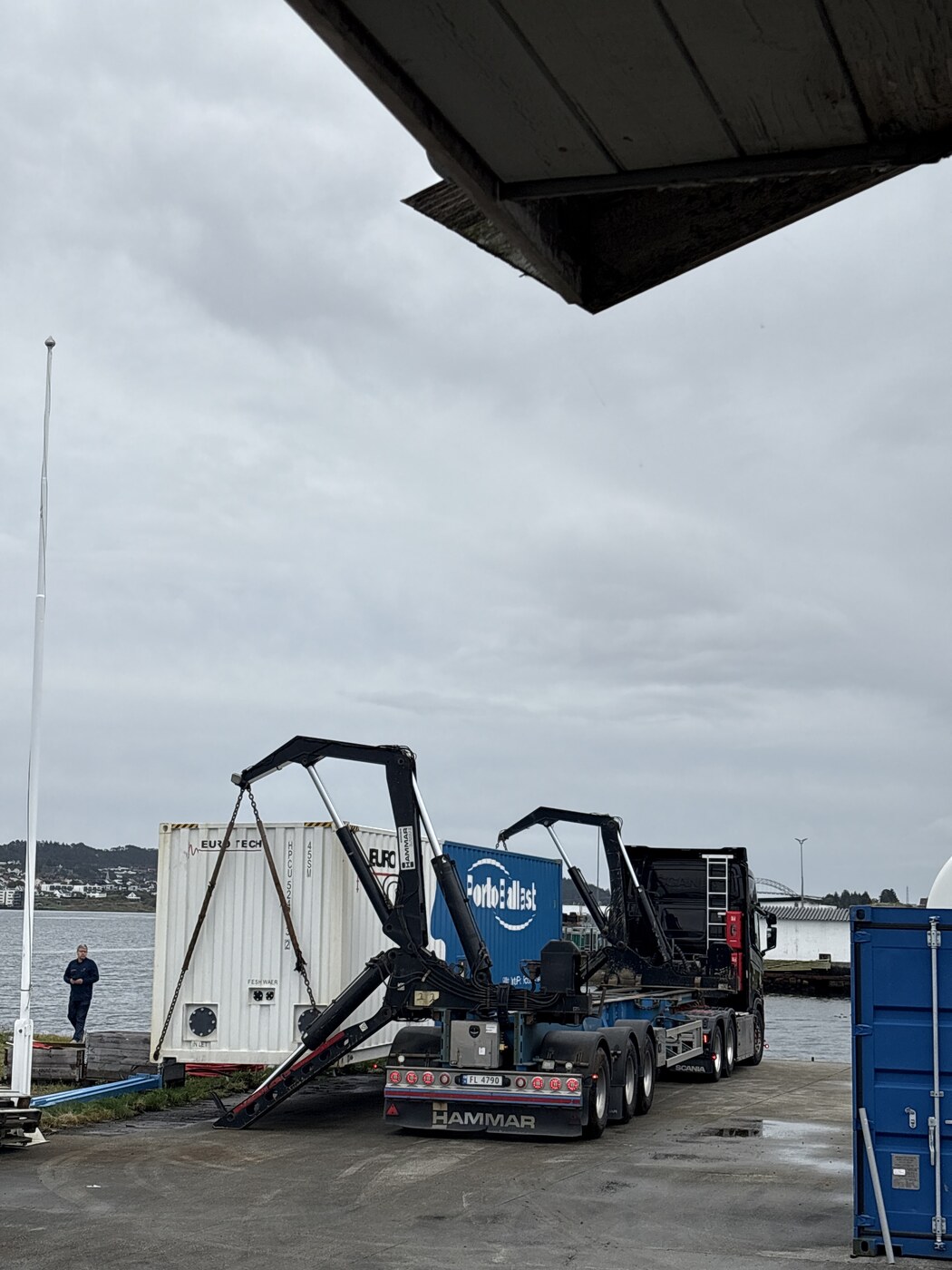
A mobile ballast-water treatment enquiry should define more than a hire period. Equipment-only rental, an operated treatment service and a contingency mobilisation have different responsibilities and costs. Sea Clean's first PortoBallast container arrived on 7 October 2026 and is intended for training; rental or operational deployment must be separately confirmed. This guide sets out the information needed to discuss a period-based arrangement without assuming availability, a fixed price or permission to discharge.
Sea Clean port-side treatment and PortoBallast hub
Key takeaways
- Equipment hire, operated treatment and contingency support are distinct scopes.
- Give both possession dates and the actual vessel operating window.
- State water volume, condition, port interfaces and available utilities.
- Agree operators, consumables, sampling, residue handling and stop-work responsibility.
- Rental does not establish discharge permission or biological compliance.
- Availability, period, readiness and price require an explicit email quotation.
Do you need equipment rental or an operated treatment service?
Equipment-only rental concerns the use of identified equipment for an agreed period. An operated service also needs personnel, process supervision, interfaces and responsibility for the treatment operation. A contingency package may add urgent technical review, port coordination and an uncertain working window. These are different offers: asking simply to 'rent a mobile BWTS' leaves important questions about who receives, connects, operates and returns the equipment unanswered.
State the required function as well as the commercial format. A vessel may need full reception and treatment, reduction of excessive TRO, temporary support while an onboard system is repaired, or a training demonstration. The manufacturer's PortoBallast concept covers distinct treatment and dosing functions, but the supplied configuration and agreed scope must match the actual need. Do not assume that every rental includes every function described in a brochure.
Related guidance: PortoBallast TRO Neutralisation vs Full Ballast Treatment
How should the rental period and operating window be defined?
Give both the requested possession period and the expected treatment window. Mobilisation, unloading, site preparation, interface checks, operation, clean-down and collection may fall on different days. Identify whether the vessel's berth or cargo schedule is fixed or provisional and how a delay would affect the equipment booking. There is no confirmed minimum hire term or standard short-term tariff published in this article.
For flow planning, supply ballast volume by tank where available, the vessel's proposed transfer arrangement and any constraints on simultaneous cargo operations. Treatment volume divided by an agreed flow is not the whole booking duration. A blocked filter, sampling hold, vessel movement or delayed port access can change the timetable. A practical offer should say which time assumptions are included and how changes are agreed.
Which site and vessel information determines suitability?
Name the port, terminal and berth, the vessel and IMO number, and the relevant vessel agent. Provide connection drawings, available pressure and flow, hose-route distance and height difference, shore power information and known access limits. For a containerised facility, include the proposed unloading position, suitable bearing area, maintenance access and any terminal restrictions on equipment, chemical handling or work alongside cargo operations.
Describe the incoming water honestly: treatment history, uptake location and date where known, unusual sediment loading, excessive oxidants, suspected contamination and any evidence already available. The August PortoBallast brochure describes clean, oil-free ballast water within specified limits. A hire agreement does not make an unsuitable or unidentified water stream acceptable. Technical review must happen before the booking becomes an operational commitment.
Related guidance: PortoBallast Vessel-to-Shore Connection Checklist
Who supplies people, utilities, consumables and residue handling?
Clarify who provides trained operators, electrical connection, vessel-side isolation, transfer hoses, compatible adapters, communication equipment and emergency response. Then identify responsibility for fresh water, drainage, chemicals where required, reagents, maintenance supplies, sampling attendance and laboratory work. A container hire price alone would not establish that all these items are included, and this article does not publish or invent one.
Residues are part of the scope. The brochure describes captured solids and a sludge-treatment route; any material requiring disposal needs an agreed destination and handling arrangement. State who retains the operating records, who responds to an alarm and who has authority to stop the transfer. Agree these responsibilities before mobilisation rather than leaving vessel and shore teams to discover gaps while water is moving.
What permissions and evidence are needed around the service?
The vessel's approved management plan, port instructions and the relevant flag, class or environmental requirements determine the applicable route. The enquiry should identify whether the request is planned reception, a response to a failed onboard BWMS or another case. A supplier's ability to transport a facility is not permission for a particular discharge. Required parties need enough information to review the proposed operation in advance.
If sampling or testing is required, define the purpose, sampling point, timing, responsible party and report requirements before operation. Sea Clean is not an accredited laboratory or approving authority. Instrument readings, calibration documents and treatment logs are useful evidence of different things; none should be presented as interchangeable proof of biological D-2 compliance. Keep acceptance decisions and equipment readiness records separate.
What should an email enquiry contain?
Send the vessel/IMO number, installed BWMS brand/model, port and berth, requested dates and duration, purpose, water volume and condition, connection information and available utilities. Say whether an operated service or equipment-only arrangement is being considered and identify your decision deadline. Relevant drawings, alarm logs and authority correspondence can be attached to the email. The website opens an email draft only; it creates no separate form inbox.
Sea Clean must confirm availability, technical suitability, readiness, mobilisation and commercial terms for the proposed period. Its delivered container is intended for training, so arrival alone should not be interpreted as a standing rental fleet or a guaranteed emergency slot. Request a clearly scoped quotation and review exclusions, delay arrangements, operator responsibility, residue handling and completion evidence before committing to travel or vessel operations.
Frequently asked questions
Can I ask Sea Clean about renting a mobile ballast-water system?
Yes. Send a vessel- and port-specific enquiry describing the requested period and function. Availability, equipment readiness, technical suitability, operator scope and commercial terms must be confirmed. The first-container receipt does not guarantee a standing rental service.
Is there a standard daily or weekly PortoBallast rental price?
No confirmed standard rate is published here. A quote needs the period, site, interfaces, operating scope, mobilisation, personnel, utilities, testing and residue arrangements. Those differences make an invented headline price misleading.
Does renting the equipment include an operator?
Not automatically. Equipment-only hire and an operated service have different responsibilities. The quotation should explicitly identify who connects, operates, supervises, maintains and isolates the equipment, and who controls the vessel-side transfer.
Can a hire agreement authorise ballast discharge?
No. Commercial access to equipment is separate from the vessel's management requirements, port acceptance and environmental permissions. Confirm the operational route and required evidence with the responsible authorities before water is transferred or discharged.
Sources
- Euro Tech — PortoBallast brochure, August 2026 edition — Pages 2–4: process, tie-ins, technical envelope and dosing system; manufacturer data subject to change, not Sea Clean's as-built acceptance record.
- Euro Tech Holdings — mobile hybrid launch, 9 June 2026 — Issuer's announcement: Nasdaq CLWT, containerised terminal/barge deployment and trailer transport.
- Euro Tech Holdings — Sea Clean partnership announcement, 17 June 2026 — Names Sea Clean and the planned Norwegian coastal facility. Its dispatch forecast is not the actual receipt date.
- IMO — Ballast Water Management — Convention, management plans, discharge standards and the distinction between equipment approval and operational requirements.
Related articles
- PortoBallast for a BWTS Breakdown: Contingency Planning
- PortoBallast Vessel-to-Shore Connection Checklist
- Deploying a Containerised BWTS at Ports and Terminals
- Mobile Ballast Treatment vs an Onboard BWMS: What Changes?
- What Is a Ballast Water Port Reception Facility?
- Port-Side Ballast Water Treatment for Vessels
Discuss PortoBallast directly by email
Training, rental/operated service and contingency enquiries are reviewed individually. Include objectives or the vessel, installed BWMS, port, dates, water volume and scope. Availability, readiness, suitability, permissions and quotation require confirmation. These links prepare email drafts; no website submission inbox is used.
Explore the PortoBallast series
- First container received: 7 October 2026
- What is PortoBallast, and who is Euro Tech?
- Specifications: flow, power and footprint
- Sea Clean's planned training facility
- BWTS breakdown contingency planning
- Vessel-to-shore connection checklist
- IMO D-2, testing and port acceptance
- TRO neutralisation versus full treatment
- Filtration, UV and sludge management
- Deployment at ports and terminals
- Mobile treatment versus onboard BWMS