PortoBallast, IMO D-2 Testing and Port Acceptance
Updated
IMO D-2 is a ballast-water performance standard, not a product label or a portable-meter reading. A manufacturer statement that a facility is designed for D-2 does not, by itself, demonstrate the result of a particular operation or give permission for a particular discharge. PortoBallast enquiries should distinguish equipment documentation, operation within the accepted envelope, representative sampling, test evidence and the decisions required by the relevant authorities.
Sea Clean port-side treatment and PortoBallast hub
Key takeaways
- IMO D-2 concerns discharged-water performance, not a supplier badge.
- A brochure statement is not proof of the result of a particular treatment operation.
- Specify why testing is needed and which sampling/reporting requirements apply.
- TRO and calibration evidence do not establish biological compliance.
- Required authorities, not the supplier, decide acceptance within their roles.
- Maintain a traceable pack linking actual operation, samples, reports and decisions.
What does IMO D-2 address?
The BWM Convention's performance standard concerns discharged ballast-water quality, including organism concentrations and specified indicator microbes. Its purpose is to limit the transfer of harmful aquatic organisms and pathogens between waters. That is different from the D-1 exchange standard, which concerns ballast-water exchange. Neither should be reduced to a marketing description such as 'green container' or 'compliance-ready service'.
The IMO's official overview also describes management plans, record books and approval requirements for systems used to comply with the Convention. A vessel's actual obligations depend on its applicable documents and jurisdiction. A port reception proposal must therefore be considered as an operational arrangement with a defined acceptance path, not as a reason to discard the vessel's approved plan or replace authority instructions with a supplier brochure.
What does the PortoBallast brochure claim, and what does it not prove?
The August 2026 brochure describes staged filtration and UV treatment and lists IMO D-2 and local environmental protection requirements in its discharge-standard row. That is a manufacturer statement about the intended facility performance. It is not an independent report for Sea Clean's received unit, a port-issued permit, or evidence that an unidentified ballast-water load has been successfully treated within the applicable operating conditions.
Request the relevant current equipment and acceptance documents for the proposed function, and confirm their relationship to the offered configuration. Do not infer onboard BWMS type approval, USCG acceptance, universal European-port permission or a site permit from the product name. The correct document depends on the arrangement being proposed. If a particular approval is claimed in a quotation, its issuer, scope, conditions and applicability should be reviewed explicitly.
Related guidance: Euro Tech PortoBallast: Mobile BWTS and Nasdaq CLWT
How should sampling and testing be specified?
First state the question the testing must answer: a planned operational check, commissioning-related evidence, investigation after a failure, or an authority-directed examination. Then identify the parameters, intended sample location and timing, method, required reporting and the appropriately qualified sampling and testing parties. A general request for a 'D-2 certificate' leaves the purpose, representativeness and evidential requirements unclear.
Representative sampling is tied to the actual water route and operation. Record the vessel and tanks involved, transfer and sampling times, relevant process conditions, sample identification, preservation where applicable and custody information. Sampling design and analysis should follow the requirements for the actual purpose rather than a guessed universal bottle count or turnaround time. Sea Clean coordinates appropriate parties; it does not claim accredited laboratory status.
Why are TRO and calibration results not biological compliance evidence?
TRO measures residual oxidant chemistry within the scope of the measurement method. It is useful when an electrolytic BWMS or neutralisation operation needs chemical-residual information, but it does not count viable organisms or establish the indicator-microbe result. A low TRO result should not be used to conclude that a biological treatment failure has been corrected, or that water of unknown treatment history meets every relevant limit.
Calibration or verification of process instruments supports confidence in the corresponding measurement. It does not turn the reading into a different type of test, and it does not replace representative sampling where that is required. Keep calibration reports, reagent records, operating logs and biological test reports distinct but cross-referenced. Their combined value comes from a coherent evidence chain, not from relabelling one convenient document as proof of everything.
Related guidance: PortoBallast TRO Neutralisation vs Full Ballast Treatment
Who decides whether the proposed port operation is acceptable?
The relevant flag, class, port, environmental and other competent parties determine the requirements within their responsibilities. Which parties need to be involved depends on the vessel, site and purpose. The supplier should help define the technical proposal and supporting information, but it does not become the approving authority because it supplies a mobile facility or has a manufacturer partnership.
Obtain the applicable instructions and conditions before starting the operation. They may concern the accepted reception route, treatment conditions, sampling, retention, reporting, residues or the final outlet. Euro Tech's launch describes several possible effluent destinations, including nearshore discharge, onward treatment and reloading to a vessel; those are concept options, not permission to choose any destination at any port without local review.
What should the final evidence pack contain?
A useful pack identifies the vessel, facility and configuration; the agreed scope and conditions; receiving and process records; transfer volumes with their basis; treatment periods and interruptions; instrument evidence; sample identifiers and reports; and correspondence showing the required decisions. Include residue and effluent-route records where applicable. The documents should let a reviewer follow what was actually received, treated, transferred and accepted.
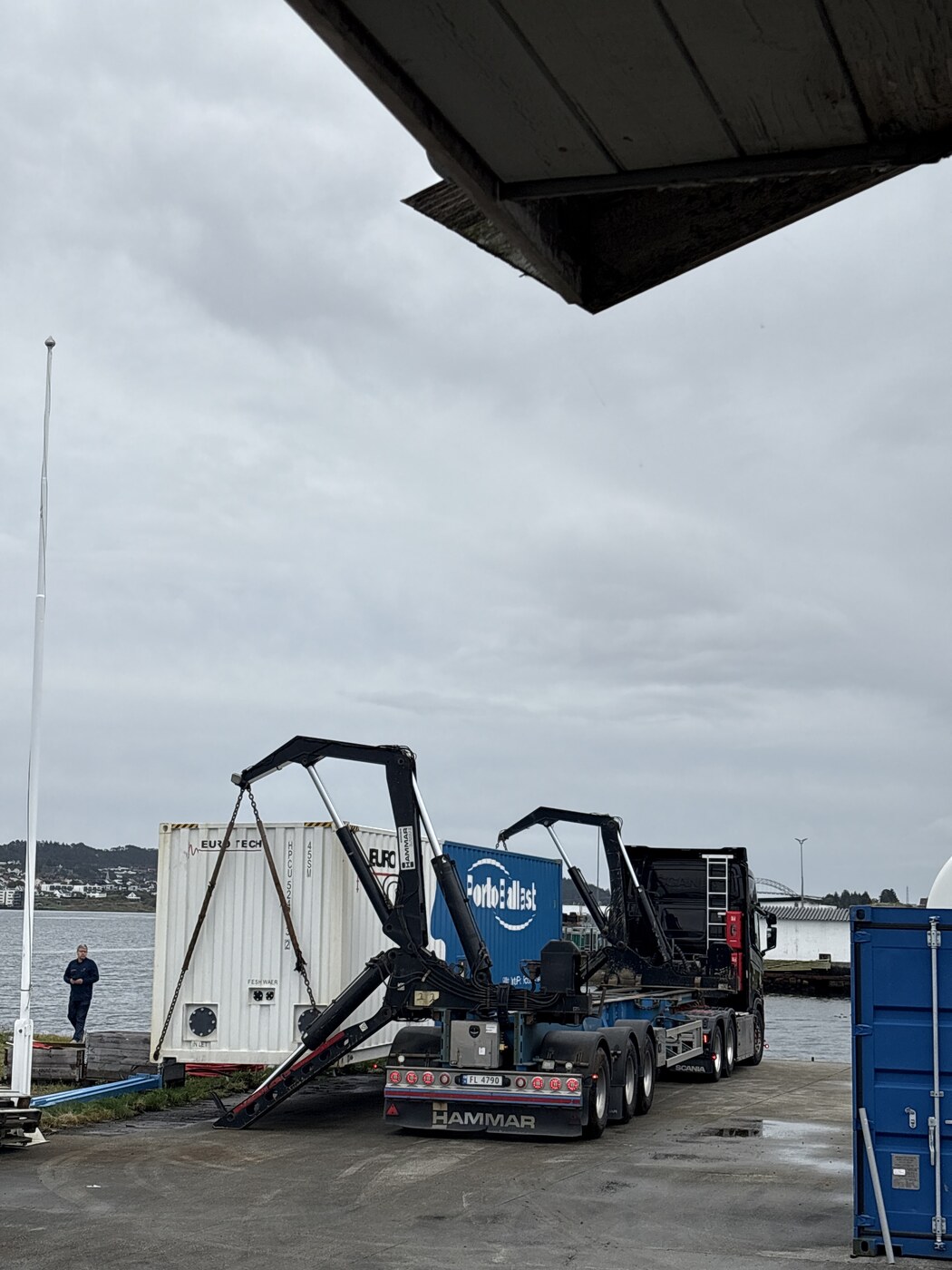
Outstanding questions should remain visible. A missing report, an unresolved alarm or a changed discharge route must not disappear behind a generic statement that the service was completed. Sea Clean's container receipt and intended training use are real company milestones, but neither is a biological test result. For an enquiry, send the vessel, installed system, port, date, purpose and available authority instructions so the necessary evidence can be planned before operation.
Frequently asked questions
Does PortoBallast's D-2 brochure statement guarantee compliance?
No. It describes the manufacturer's intended performance. The actual unit, accepted scope, operating conditions and evidence for a particular water load must be assessed separately, along with the decisions required by the relevant authorities.
Can Sea Clean issue an accredited D-2 laboratory report?
Sea Clean does not claim accredited laboratory status. It coordinates sampling and testing with the appropriately qualified or authorised parties for the required scope. Confirm the report purpose, methods and acceptance requirements before the operation.
Does a low TRO result mean ballast water meets D-2?
No. TRO is chemical-residual information. Biological performance concerns a different set of measurements and evidence. A neutralisation result cannot automatically resolve uncertain treatment history or demonstrate organism and indicator-microbe limits.
Can treated water simply be discharged near the port?
Not on the basis of a product announcement alone. The actual outlet, applicable permissions, treatment conditions, sampling and local environmental requirements must be agreed with the responsible parties for that site and operation.
Sources
- Euro Tech — PortoBallast brochure, August 2026 edition — Pages 2–4: process, tie-ins, technical envelope and dosing system; manufacturer data subject to change, not Sea Clean's as-built acceptance record.
- Euro Tech Holdings — mobile hybrid launch, 9 June 2026 — Issuer's announcement: Nasdaq CLWT, containerised terminal/barge deployment and trailer transport.
- Euro Tech Holdings — Sea Clean partnership announcement, 17 June 2026 — Names Sea Clean and the planned Norwegian coastal facility. Its dispatch forecast is not the actual receipt date.
- IMO — Ballast Water Management — Convention, management plans, discharge standards and the distinction between equipment approval and operational requirements.
Related articles
- PortoBallast for a BWTS Breakdown: Contingency Planning
- PortoBallast TRO Neutralisation vs Full Ballast Treatment
- How PortoBallast Filtration, UV and Sludge Handling Work
- Mobile Ballast Treatment vs an Onboard BWMS: What Changes?
- What Is a Ballast Water Port Reception Facility?
- Port-Side Ballast Water Treatment for Vessels
Discuss PortoBallast directly by email
Training, rental/operated service and contingency enquiries are reviewed individually. Include objectives or the vessel, installed BWMS, port, dates, water volume and scope. Availability, readiness, suitability, permissions and quotation require confirmation. These links prepare email drafts; no website submission inbox is used.
Explore the PortoBallast series
- First container received: 7 October 2026
- What is PortoBallast, and who is Euro Tech?
- Specifications: flow, power and footprint
- Sea Clean's planned training facility
- Rental periods and service scope
- BWTS breakdown contingency planning
- Vessel-to-shore connection checklist
- TRO neutralisation versus full treatment
- Filtration, UV and sludge management
- Deployment at ports and terminals
- Mobile treatment versus onboard BWMS