What Is a Ballast Water Treatment System?
Updated
A BWTS is shipboard equipment designed to manage organisms in ballast water before discharge. Its acceptable use depends on its approved configuration, the vessel's plan and the conditions in which it operates.
Request BWTS spare parts, annual calibration or ballast-water testing
Key takeaways
- Operate the system within the vessel-specific approved documentation and manufacturer instructions.
- Water conditions and actual hydraulic flow can affect treatment performance and availability.
- Check alarms, sensors, consumables and stated limits before the ballast operation.
- Do not treat a sensor value or service report as a regulatory compliance certificate.
- Flag, class, port and jurisdiction requirements can change the acceptable operating response.
- Sea Clean's confirmed Headway authorisation is distinct from coordinated multi-brand support.
What Is a Ballast Water Treatment System?: treatment duty
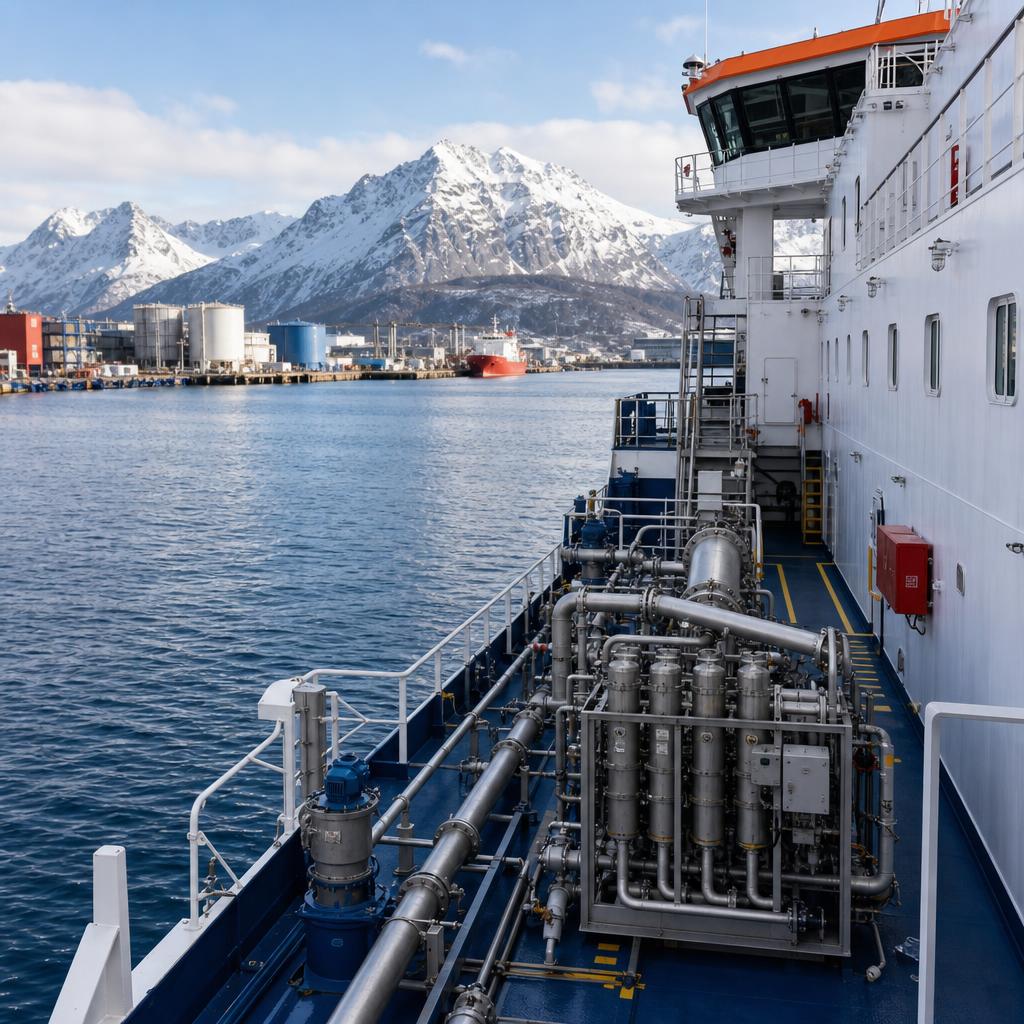
Depending on its design, a BWTS may filter water and then use UV, electrochlorination or another approved treatment method. A ballast water treatment system (BWTS) is selected and operated against the vessel's approved arrangement, ballast sequence and design operating envelope rather than as a stand-alone box.
The applicable discharge standard, flag requirements and port or coastal jurisdiction determine the compliance context. The vessel's Ballast Water Management Plan, type-approved documentation and manufacturer instructions remain the controlling references.
What Is a Ballast Water Treatment System?: process boundary
Water quality, flow, temperature, salinity and pump behaviour can change the conditions reaching the treatment train. No technology should be assumed suitable for every water type or operating mode.
Operators should trace the full route: sea chest, pump, filter where fitted, treatment reactor, sensors, valves and discharge. Bypasses, recirculation paths and interlocks must be understood from the vessel-specific drawings and manual.
What Is a Ballast Water Treatment System?: operating limits
Review alarms, consumables, sensor status and any stated operating limits before beginning the operation. A displayed ready status is not a substitute for the pre-operation checks prescribed by the manufacturer.
Where conditions fall outside stated limits, the master and responsible technical personnel should use the vessel's approved escalation route. Whether an alternative operation is acceptable depends on the flag, class, port and the approved plan.
What Is a Ballast Water Treatment System?: vessel interfaces
Plan ballast operations around both the treatment system and ship machinery constraints. Compare the intended ballast rate with the approved treatment capacity at the actual operating conditions, including filter differential pressure and pipe losses.
Shipboard electrical load studies and pump curves are important when equipment starts, backflushes or changes intensity. Altering pump, valve or control settings without the manufacturer's documented basis can create treatment and machinery risks.
What Is a Ballast Water Treatment System?: records and evidence
Keep operating, alarm and maintenance information together. Record-book entries should be timely, factual and consistent with alarms, maintenance records and the approved management plan.
Sampling, where required, has a defined purpose and method; an operational sensor reading does not by itself prove regulatory compliance. Sampling protocols and acceptance are determined by the relevant authority and jurisdiction.
What Is a Ballast Water Treatment System?: service boundaries
Sea Clean has confirmed Headway authorisation for relevant Headway service and parts support. That authorisation does not make Sea Clean an approving body, accredited laboratory, independent certifier, class society, flag administration or port authority.
For other makes, Sea Clean may coordinate a multi-brand service scope with the vessel, manufacturer and qualified third parties. Manufacturer approval, available documentation and the specific vessel condition determine what work can properly be performed.
Frequently asked questions
What is the practical point of what is a ballast water treatment system??
A BWTS is shipboard equipment designed to manage organisms in ballast water before discharge. Its acceptable use depends on its approved configuration, the vessel's plan and the conditions in which it operates.
Does type approval remove the need for onboard checks?
No. Type approval applies to the documented system configuration and approval route; crew still need to operate and maintain the installed system as instructed.
Can a service company certify ballast-water compliance?
Sea Clean is not an accredited laboratory or independent certifier. Compliance determinations and sampling acceptance rest with the relevant authorities and applicable procedures.
Can Sea Clean help with systems other than Headway?
Sea Clean can coordinate multi-brand work, subject to manufacturer documentation, vessel access and the competence and authorisation needed for the specific scope. Its confirmed authorisation is for Headway.
Sources
- IMO — Ballast Water Management
- IMO — BWMS Code — Refer to the current Code and applicable circulars for mandatory requirements.
- USCG — Ballast Water Management
- Sea Clean AS — Headway Ballast Service
Related articles
- How Does a BWTS Work?
- BWM Convention Explained: D-1 Ballast Water Exchange vs D-2 Performance Standard
- BWTS Commissioning and Type Approval: What Is the Difference?
- How to Choose a Ballast Water Treatment System
- Ballast Water Treatment in Freshwater: What Operators Should Check
- What Is a Ballast Water Treatment System? Explained
Request spares, calibration or ballast-water testing
Include BWMS brand/model, vessel/IMO number, port/terminal, date/ETA and scope or part numbers. These links prepare an email draft; you must send it yourself.
- Request a parts quote — Sensors, TRO reagents, calibration kits and replacement parts. Confirm compatibility, availability and delivery for your installed system.
- Request a calibration booking — Annual instrument calibration with a calibration certificate for the work completed. OEM instructions, drift or applicable rules may require earlier work.
- Request testing coordination — Arrange sampling and testing with an appropriately qualified party for your IMO D-2, commissioning or other stated purpose.
Authorised Headway agent. Other-brand enquiries are independently reviewed; no OEM authorisation is claimed. Sea Clean is not an accredited laboratory or approving authority. Calibration does not demonstrate biological D-2 compliance. Attendance, testing scope and parts delivery are confirmed per enquiry.