BWTS Retrofit for Bulk Carriers and Gravity Ballasting
Updated
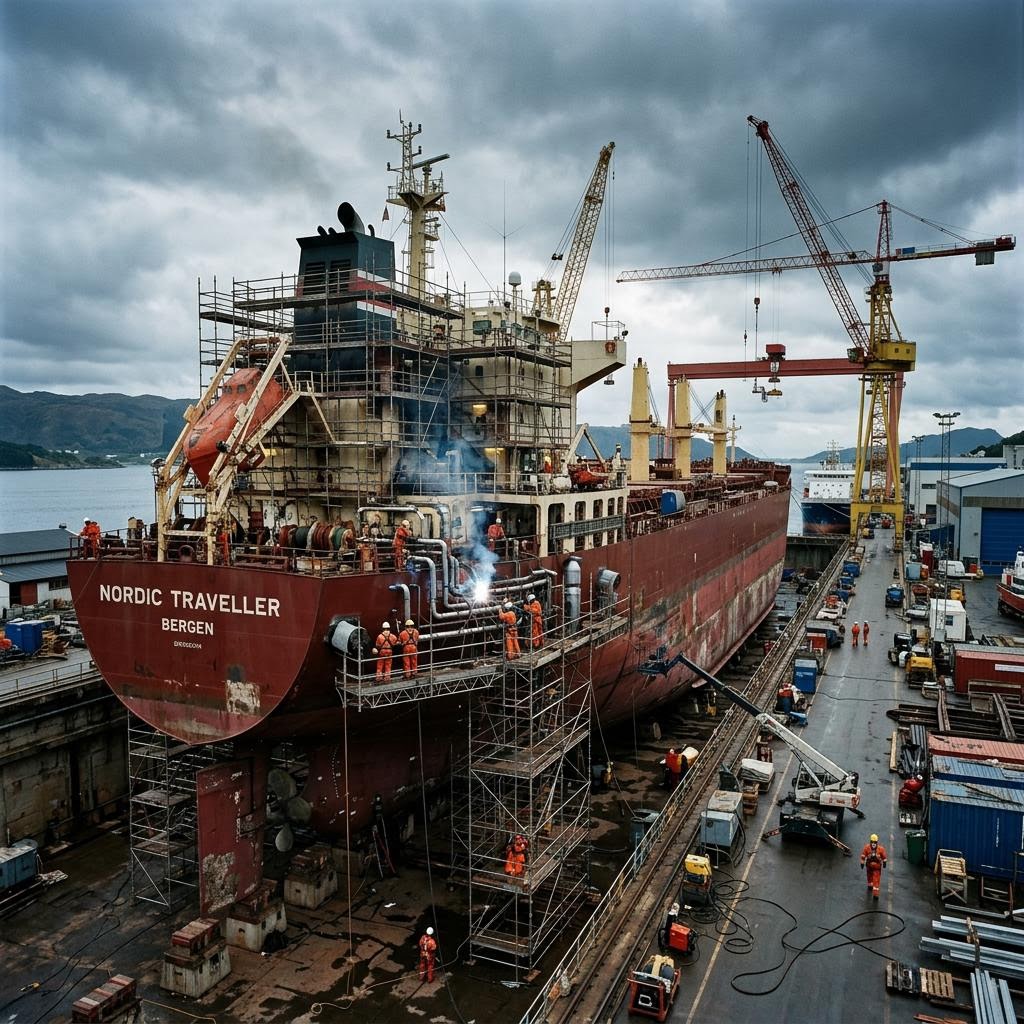
Bulk carrier BWTS retrofits are shaped by very high ballast flow rates, gravity ballasting and deballasting, and sediment-laden loading-port water. High flow drives large filters and reactors and favours technologies with lower power per cubic metre; gravity flow complicates treatment because the system must handle water not driven by a pump at a controlled rate. Heavy sediment demands robust filtration and frequent backflushing, so filter sizing and integration with the existing flow paths are the design priorities.
Request BWTS spare parts, annual calibration or ballast-water testing
Key takeaways
- Bulk carriers ballast in very large, rapid volumes, so treatment flow rates of several thousand cubic metres per hour size every component upward.
- High flow favours technologies with lower power per cubic metre, which is why electrochlorination and full-flow electrolysis are common on large bulkers.
- Gravity ballasting delivers water outside a controlled pumped rate, so the design must ensure all ballast still passes treatment at a rate the system can handle.
- Sediment-laden loading-port water makes the filter work hard; sizing and screen selection should anticipate the dirtiest expected water, not the average.
- Integration must preserve the ballast pump's duty point, because even modest added pressure drop matters at very high flow.
- Carrying spare filter screen elements is prudent for bulkers trading turbid ports where backflushing is frequent.
What Makes Bulk Carrier Ballasting Distinctive?
Bulk carriers ballast in very large volumes because cargo loading and discharge require substantial changes in draft, and they do so quickly to keep pace with high-rate cargo operations. Ballast flow rates of several thousand cubic metres per hour are common on larger bulkers, which sizes every component of the treatment system upward.
Many bulkers use gravity ballasting for at least part of the operation, filling ballast tanks by opening valves and letting water flow in under head rather than pumping it, and gravity deballasting through the ship's side. This changes the flow characteristics the treatment system must handle compared with a pump-driven system at a controlled rate.
They also frequently load in rivers, estuaries, and shallow ports where the water is turbid and sediment-laden. That sediment load falls on the filter and defines much of the day-to-day operating experience of the system.
Why Does High Flow Rate Drive the Design?
Treatment flow rate is the master variable, and on a large bulker it is very high, so the filter, reactor or UV chamber, piping, and electrical load are all correspondingly large. The type approval certificate must cover the full ballast flow the ship uses, because treating below rated flow or exceeding it both risk non-compliance.
High flow favours technologies with lower power consumption per cubic metre. This is one reason electrochlorination and full-flow electrolysis are common on large bulkers, though UV is used where power margin allows and where salinity or turbidity considerations point that way.
The physical size of a high-flow system makes engine-room space and piping routing especially demanding, so the 3D scan and layout engineering carry the same weight here as on any tight retrofit, scaled up to larger equipment.
How Does Gravity Ballasting Complicate Treatment?
A treatment system is designed to work within a defined flow range, and gravity ballasting can deliver water outside a controlled, pump-driven rate, varying with the head difference between sea and tank. The design must ensure the water actually passes through the treatment stage at a rate the system can treat, which may mean routing gravity flow through the same treated path or restricting gravity operation.
On deballasting, gravity discharge through the ship's side must still pass any required neutralisation on electrochlorination systems and must be measured for compliance. Integrating the treatment and neutralisation into a gravity flow path, rather than a pumped one, is an engineering challenge specific to these ships.
The practical outcome on many bulkers is that ballast operations are adjusted so treatment happens at a controlled, pumped rate even where the ship historically gravity-ballasted, which can change operating procedures and cycle times. The design and the ballast water management plan must reflect how the ship will actually operate the system.
How Is Heavy Sediment Handled?
The filter is the front line against sediment, and on a bulker trading to turbid ports it works hard. Typical filtration to around 40–50 micrometres removes sediment and larger organisms, but in muddy water the filter backflushes frequently, which consumes flow and can slow ballasting.
Filter sizing and screen selection must anticipate the worst water the ship will load, not the average. An undersized filter or too-fine a screen in sediment-heavy water leads to constant backflushing, reduced ballasting rate, and crew frustration, so the design should err toward robust filtration for the trade.
Sediment also accumulates in ballast tanks over time and must be managed under the ballast water management plan, and heavy sediment loads increase the wear and maintenance on filter screens and backflush valves. Carrying spare screen elements is prudent for a bulker trading dirty ports.
How Does the System Integrate With Existing Piping?
The treatment system must tie into the bulker's existing ballast main, pumps, and valves, and the integration must preserve the pump's duty point so rated flow is maintained through the added filter and reactor. On high-flow systems even modest added pressure drop matters, so piping is sized generously and fittings minimised.
The control system must interface with the existing ballast valve and pump controls so treatment is enforced whenever ballast is taken or discharged, including any gravity paths. Bypassing treatment must be prevented except under approved contingency conditions.
Where the ship gravity-ballasts, the integration is more complex because the treated path and the gravity path may differ, and the design must ensure all ballast water actually receives treatment. This is where careful as-built engineering from a 3D scan pays off.
How Should a Bulker Retrofit Be Approached?
Start by defining the true peak ballast flow rate and the ship's use of gravity ballasting, because these set the system size and the integration approach. Then select a technology suited to high flow and the salinity range of the loading ports, with filtration robust enough for the dirtiest expected water.
Engineer the layout and piping from a 3D scan to preserve the pump's duty point and to fit large equipment into the engine room, and confirm electrical margin for the high treatment load during ballasting. Plan filter maintenance and spares around the sediment load of the trade.
Sea Clean AS supports bulk carrier retrofits with high-flow-aware engineering and supplies genuine Headway OceanGuard parts as an authorized agent, including filter wear parts, plus independent, brand-agnostic support for other systems. North Sea and Norway attendance is 0–24 hours; elsewhere by arrangement.
Frequently asked questions
Can a BWTS handle gravity ballasting?
It can, but the design must ensure the water passes through treatment at a rate the system is approved for, rather than at an uncontrolled gravity rate. In practice many bulkers adjust operations so treatment happens at a controlled pumped rate, and the ballast water management plan reflects how the system is actually used.
Why does sediment matter so much for a bulker BWTS?
Bulkers often load in turbid rivers and shallow ports where the water is full of sediment, which the filter must remove. Heavy sediment causes frequent backflushing that slows ballasting and increases wear on screens and backflush valves, so filtration must be sized robustly for the dirtiest expected water.
Which technology suits a large bulk carrier?
High ballast flow rates favour technologies with lower power consumption per cubic metre, so electrochlorination and full-flow electrolysis are common on large bulkers. UV is used where electrical margin allows and where salinity or turbidity considerations support it. The salinity range of loading ports is a key selection factor.
Does high flow rate make the retrofit more expensive?
Generally yes. Higher flow means larger filters, reactors, piping, and electrical load, and possibly generator work, all of which raise cost. Treatment flow rate is the single biggest cost driver, which is why large bulkers sit toward the upper end of typical retrofit cost ranges.
Sources
Related articles
Request spares, calibration or ballast-water testing
Include BWMS brand/model, vessel/IMO number, port/terminal, date/ETA and scope or part numbers. These links prepare an email draft; you must send it yourself.
- Request a parts quote — Sensors, TRO reagents, calibration kits and replacement parts. Confirm compatibility, availability and delivery for your installed system.
- Request a calibration booking — Annual instrument calibration with a calibration certificate for the work completed. OEM instructions, drift or applicable rules may require earlier work.
- Request testing coordination — Arrange sampling and testing with an appropriately qualified party for your IMO D-2, commissioning or other stated purpose.
Authorised Headway agent. Other-brand enquiries are independently reviewed; no OEM authorisation is claimed. Sea Clean is not an accredited laboratory or approving authority. Calibration does not demonstrate biological D-2 compliance. Attendance, testing scope and parts delivery are confirmed per enquiry.